
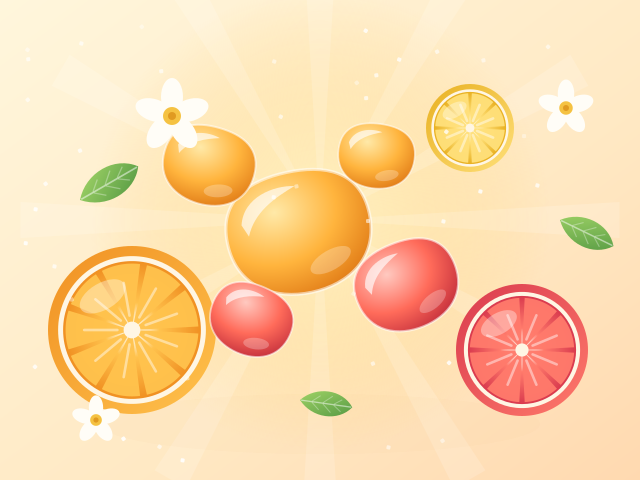
 Hard boiled
Citrus & Blossom
Cold-pressed peel folded in off the heat, so the perfume survives 302°F. The result is a drop that smells like a grove after rain.
YuzuBergamotHigh acid
Issue Fourteen · The Sugar Atlas · Asheville, NC
A field guide to artisanal lollipops, hand-pulled ribbons and small-batch sweets with genuinely remarkable flavor — what they taste like, how they are made, and which one to reach for next.

The tasting table
Every batch we write about is tasted blind, twice, on different days. These are the four flavor families that consistently produce the most interesting candy — and the notes our panel keeps coming back to.
Hard boiled
Cold-pressed peel folded in off the heat, so the perfume survives 302°F. The result is a drop that smells like a grove after rain.
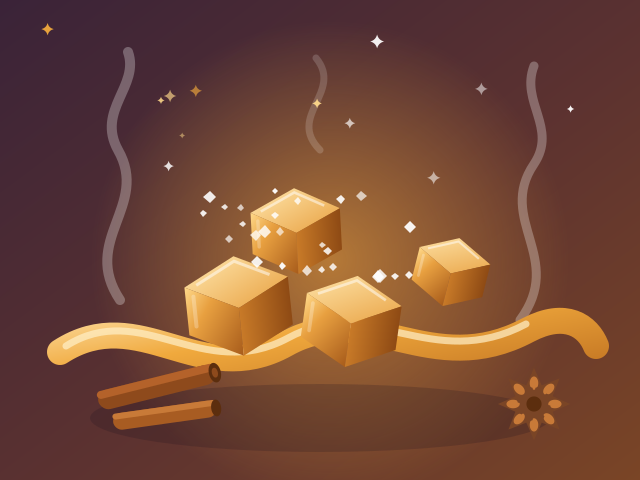 Slow chew
Sugar pushed just past amber until the edges taste of toasted crust, then finished with smoked flake salt and cinnamon bark.
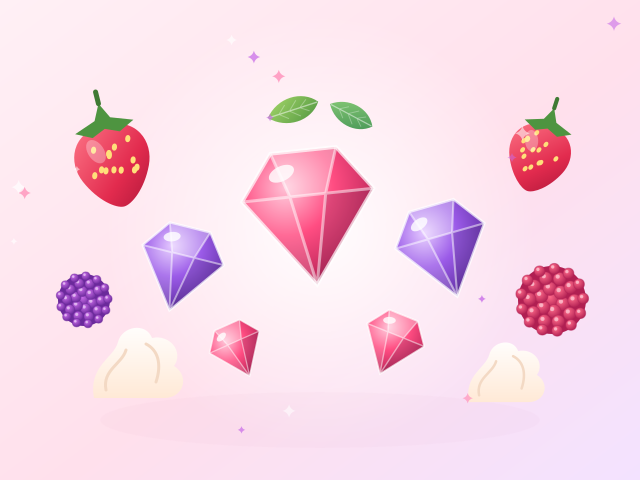 Filled gem
A jammy blackcurrant shell around a soft vanilla centre. Freeze-dried fruit keeps the colour loud without thinning the flavor.
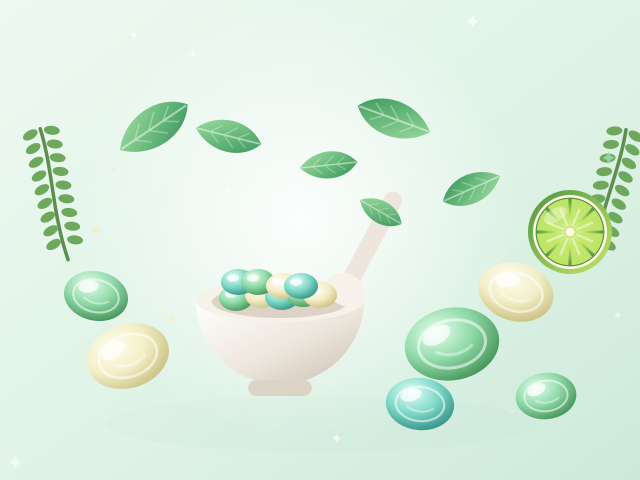 Pressed
Bruised basil and garden spearmint buffered with lime zest and acacia honey. Cooling on the tongue, grassy on the nose.
Interactive · Widget one
Pick a mood and we will pour you a profile: tasting notes, what to serve it with, and how the batch scores on brightness, sweetness and aromatic lift. Everything runs locally in your browser.
Choose a flavor family
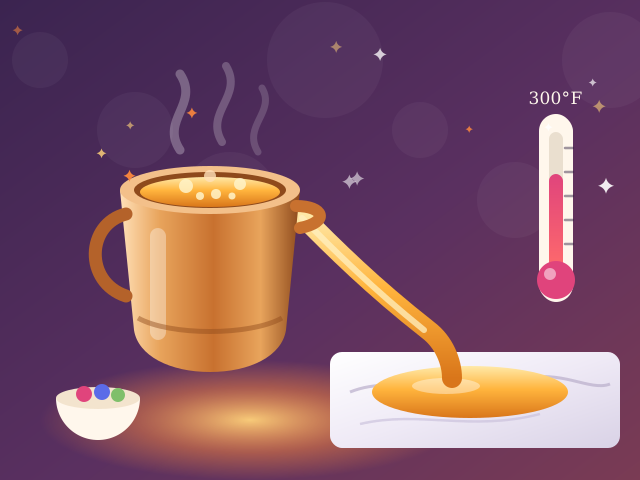
Copper conducts evenly and holds heat gently — the reason serious candy kitchens still reach for it.
Inside the sugar kitchen
Great candy is mostly patience followed by a very short burst of decisiveness. Here is the sequence every maker on our tasting table follows, whether they work in a converted garage or a tiled pastry room.
“Sugar is honest. It does exactly what the temperature tells it to do — the craft is in everything you add afterwards.” Marguerite Okonjo · Contributing confectioner
Interactive · Widget two
Temperature is texture. Switch between the seven classic stages to see the cold-water test, the texture you should expect, and the candies that live at each point on the thermometer.
Kitchen safety: boiling sugar sits far above the temperature of boiling water and sticks to skin. Use a deep, heavy pan, keep a bowl of cold water nearby, and never leave a caramelising batch unattended. This guide is general culinary information, not professional instruction.
Approximate
stage position
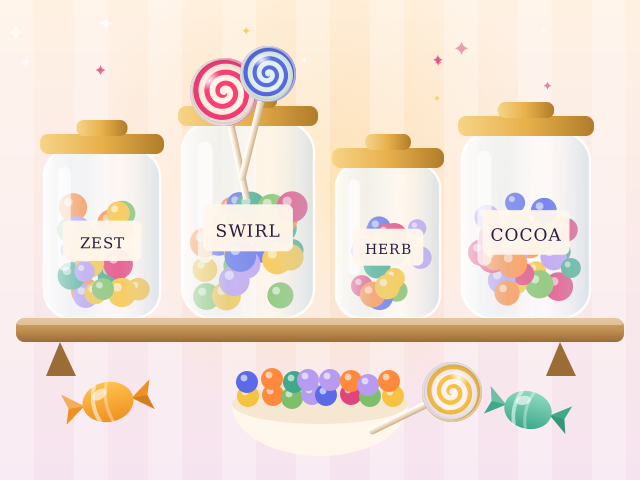
The tasting pantry: four jars, four families, one very disciplined labelling system.
The pantry problem
The most common reason a beautiful lollipop disappoints has nothing to do with the recipe. Hard sugar is hygroscopic — it pulls water straight out of the air — and a humid kitchen counter can undo twenty careful minutes at the stove.
Our tasting pantry runs at a steady 18°C with airtight glass, a food-safe desiccant in every jar, and individual wrappers for anything with butter or cream in it. Jars are labelled by flavor family rather than by date, because aroma fades long before texture does.
Field journal
Longer reads on ingredients, technique and the small decisions that separate a memorable sweet from a merely pleasant one.
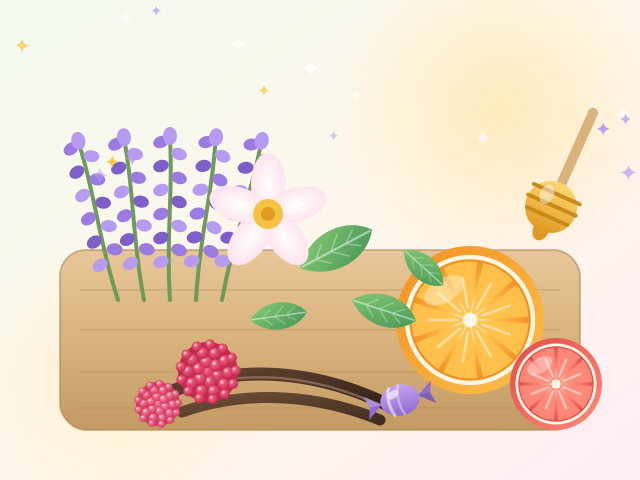
Lavender, rose and elderflower are the three most over-used botanicals in candy, and almost always for the same reason: they were boiled. A cold overnight steep in honey, or a thirty-second infusion in syrup just off the boil, keeps the floral note round and edible instead of perfumed.
Pulling is not decoration. Folding hot sugar over a hook thousands of times traps microscopic air bubbles that scatter light into that satin sheen — and those same bubbles slow the release of aroma on the tongue, making a pulled lollipop taste rounder and longer than a cast one.
In a dark caramel, salt is doing structural work: it suppresses bitterness, lifts the toasted notes and makes the sweetness read as complex rather than loud. Flake size matters too — a large pyramid that survives the pour gives you a spark of contrast in an otherwise smooth chew.
Reader questions
The five questions that arrive in our inbox most often, answered plainly.
Three things, in order: the quality of the base sugar, when the flavoring goes in, and how fast the candy cools. Volatile aromatics such as citrus oil, lavender and mint evaporate above roughly 250°F, so the best makers stir them in during the short window after the boil stops. Cool the batch too slowly and you get a dull, cloudy sweet; cool it fast on a marble slab and the flavor stays bright.
Clarity comes from controlling crystallisation. A clean pan, a washed-down side wall and a little glucose syrup or cream of tartar keep stray sugar crystals from seeding the batch. Artisan makers also pour in one confident pass instead of restarting, which avoids the trapped bubbles and seams that scatter light.
It helps enormously, but the cold-water test works without one. Drop a small spoonful of syrup into a glass of very cold water and read the result: no ball means thread stage, a squishy ball means fudge territory, and brittle threads that snap mean you have reached lollipop country. Our Craft Lab widget above walks through all seven stages.
Airtight, cool and dark, with a food-safe desiccant packet if your climate is humid. Hard candy is hygroscopic: it pulls moisture from the air and turns sticky within hours on a damp counter. Keep caramels wrapped individually and never refrigerate hard candy, because condensation on the way out will ruin the surface.
We accept samples for the tasting table, but a sample never guarantees coverage and we do not sell placement, rankings or reviews. Anything we did not taste ourselves is labelled as such. The full position is set out in our editorial disclaimer.
Write to the desk
We read every letter. Tell us about a batch, a botanical, or a flavor combination you cannot stop thinking about — and if it fits the tasting table, we will be in touch.